
North Dallas retrofit — an architect's zero-carbon home
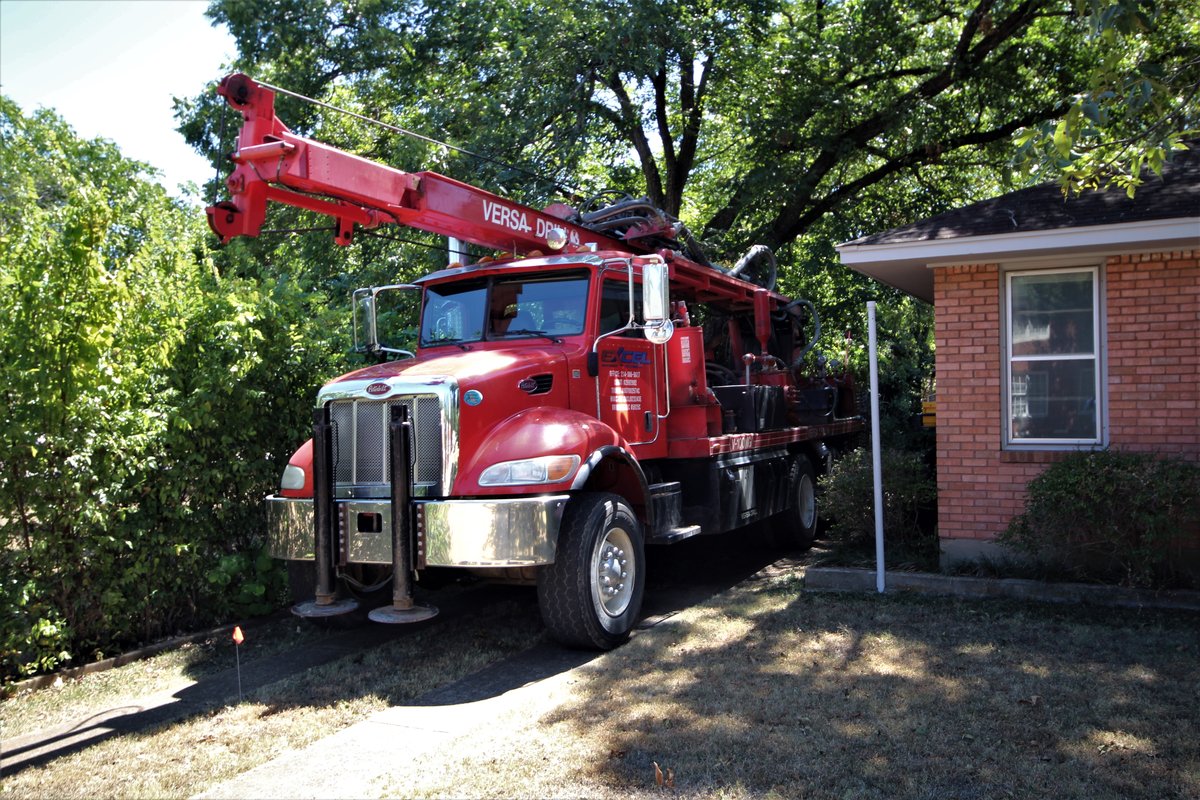
Architect Jim Barnes set out to turn a 1954 house in the historic Dallas neighborhood he grew up in into a zero-carbon home. The path ran straight down — through wells Excel drilled between his driveway's concrete runners.
The year the house was built
Utility reduction he calls realistic
Electric — gas lines removed entirely
Installed cost, stated openly
More than half of that cost — about $29,000 of wells — is a permanent improvement to the property that outlives every other component of the system.
Challenge, solution, result
The challenge
Take an existing mid-century home to zero carbon emissions. Barnes had studied passive solar design since 1977, but his 1954 home's layout wasn't right for a full passive-solar conversion — and he wasn't interested in gutting the house to get there.
The solution
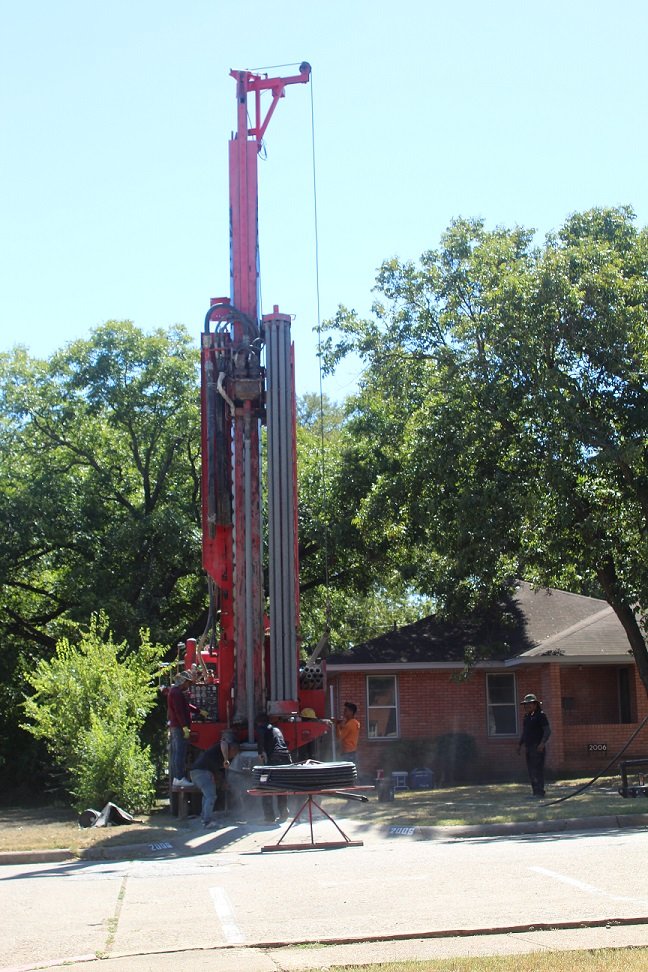
Roy Schar devised a plan to drill the wells between the driveway's concrete runners — a cleaner installation that left the rest of the yard free for landscaping. The geothermal system Excel installed provides both the home's HVAC and its hot water.
The result
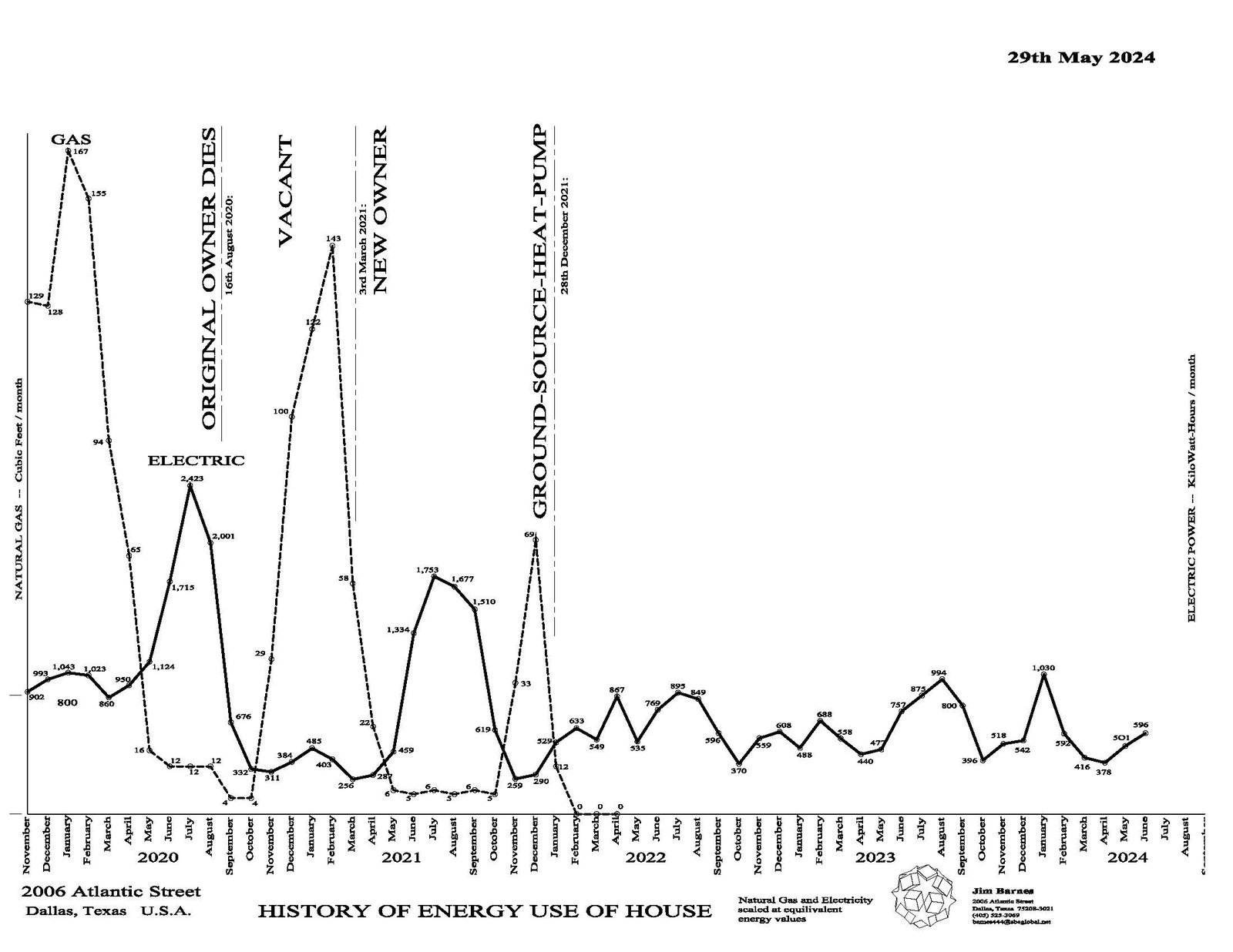
With geothermal handling heat, cooling, and hot water, Barnes removed the home's gas lines entirely — zero carbon emissions, achieved. Utility bills dropped by roughly half, with no new windows and no re-insulated walls.
Why this matters if you own an older DFW home
You don't need a new house — or a gut renovation — to make geothermal work. This retrofit cut utility costs roughly in half without touching the windows, walls, or floors. An energy audit can confirm what your own home would save.
The architect's own math
Barnes tracked his home's energy use before and after the installation and charted it himself. His honest conclusion: expect around a 50% reduction in utility costs, not the 80% some engineers chase — and understand that the payoff compounds over time.
When peers complain about "only" seeing 50%, his answer is "Good grief!" Most people nickel-and-dime the savings, he says, while the real benefit accumulates year after year: lower bills, and in his case, fewer solar panels needed to finish the zero-carbon picture.
His next steps: an electric vehicle to soak up surplus energy, and rooftop solar — once the City of Dallas's regulatory hurdles clear.
Wells between the runners
Drilling a well field at an occupied home is a different job than drilling on open land. Roy's plan put the bores between the concrete runners of the 1954 driveway — keeping the disruption in a strip the house had already claimed, and leaving the rest of the yard untouched for landscaping.
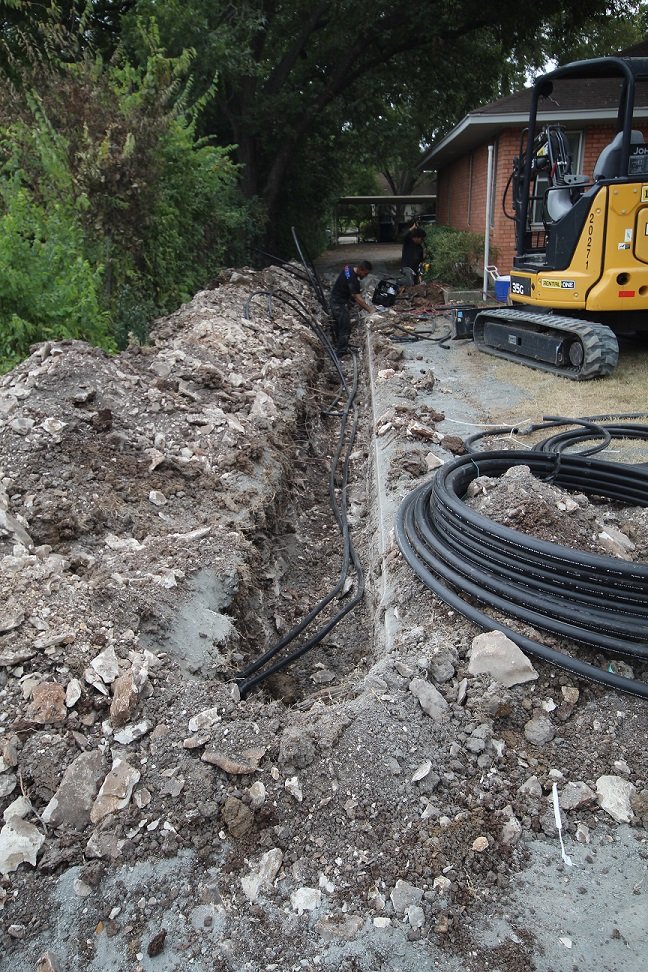
Once drilled, the wells disappeared: a valve box at grade, loop piping trenched to the house, and a system inside that took over heating, cooling, and hot water. Everything visible about the install fits in a closet and a corner of the yard.
The wells are the half that lasts. At about $29,000 of the $50,000 project, they're permanent infrastructure — as Barnes puts it, an improvement that outlives every other component of the system.
Project gallery
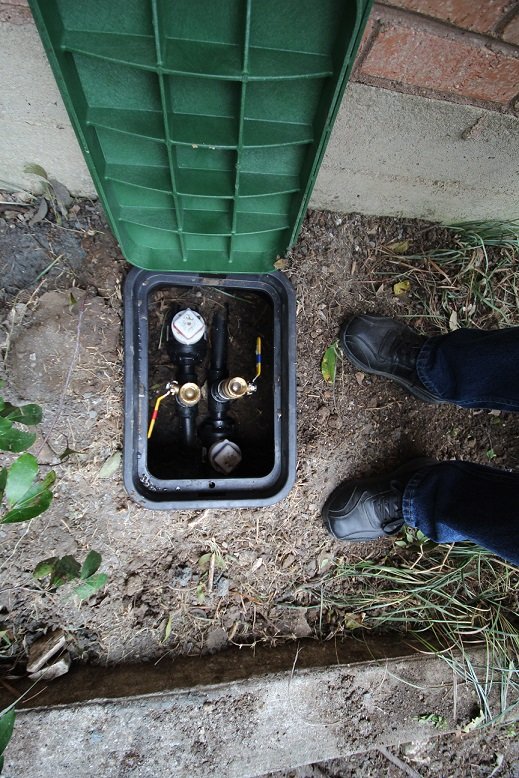
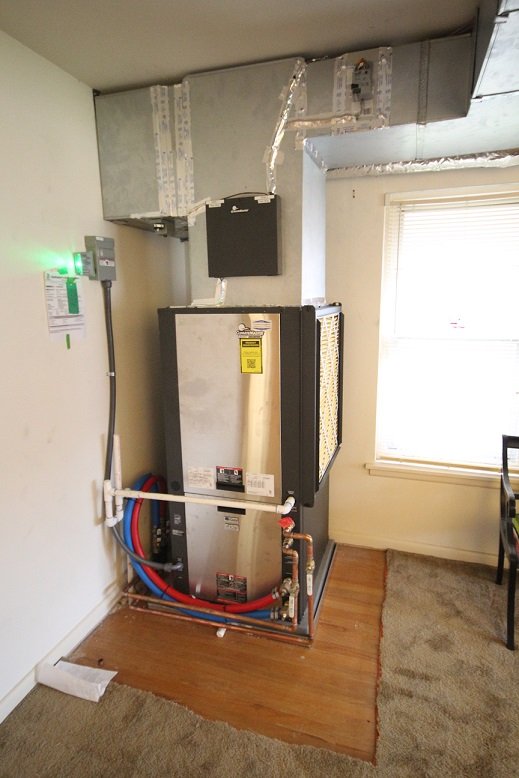
Project at a glance: Dallas, TX (historic neighborhood) · Residential — 1954 retrofit · Geothermal HVAC + hot water · Wells drilled between the driveway runners · Gas lines removed after commissioning. Photos provided by Jim Barnes.
What homeowners ask about this retrofit
This one did. It's a 1954 house in a historic Dallas neighborhood. Because the geothermal system provides both HVAC and hot water, Barnes was able to remove the home's gas lines entirely — an all-electric house with zero carbon emissions at the meter.
No. One of Barnes' main takeaways: you no longer need to replace windows or re-insulate walls and floors to see substantial savings from geothermal — and an energy audit can confirm the numbers for your own home.
About $50,000 installed — and Barnes is open about the number. Roughly $29,000 of it, over half, was the wells: a permanent improvement that outlives every other component. He received energy tax credits at the time; the residential geothermal credit has since ended in 2025, and we'll always give you the honest, current numbers.
Barnes tells other homeowners that a roughly 50% reduction in utility costs is a realistic expectation, with the payoff compounding year after year. Some homes see more — but he'd rather set an honest number than a headline one.
Where to go next
Jim's full story
From 1977 passive-solar sketches to pulling the gas meter — the whole journey, in depth.
Read the storyResidential installation
What a full Excel install includes — drilling, equipment, and commissioning, all in-house.
See how installs workAll projects
Back to the full gallery — residential retrofits and commercial well fields across DFW.
Browse projects