
Spray foam insulation in Dallas–Fort Worth
The best heat pump in the world can't win against a 140°F attic. Our own foam crew — in-house for 20+ years — seals the leaks and insulates in one pass.
Attics · walls · crawl spaces · new construction · commercial buildings
Your attic is a parked car in the Texas sun
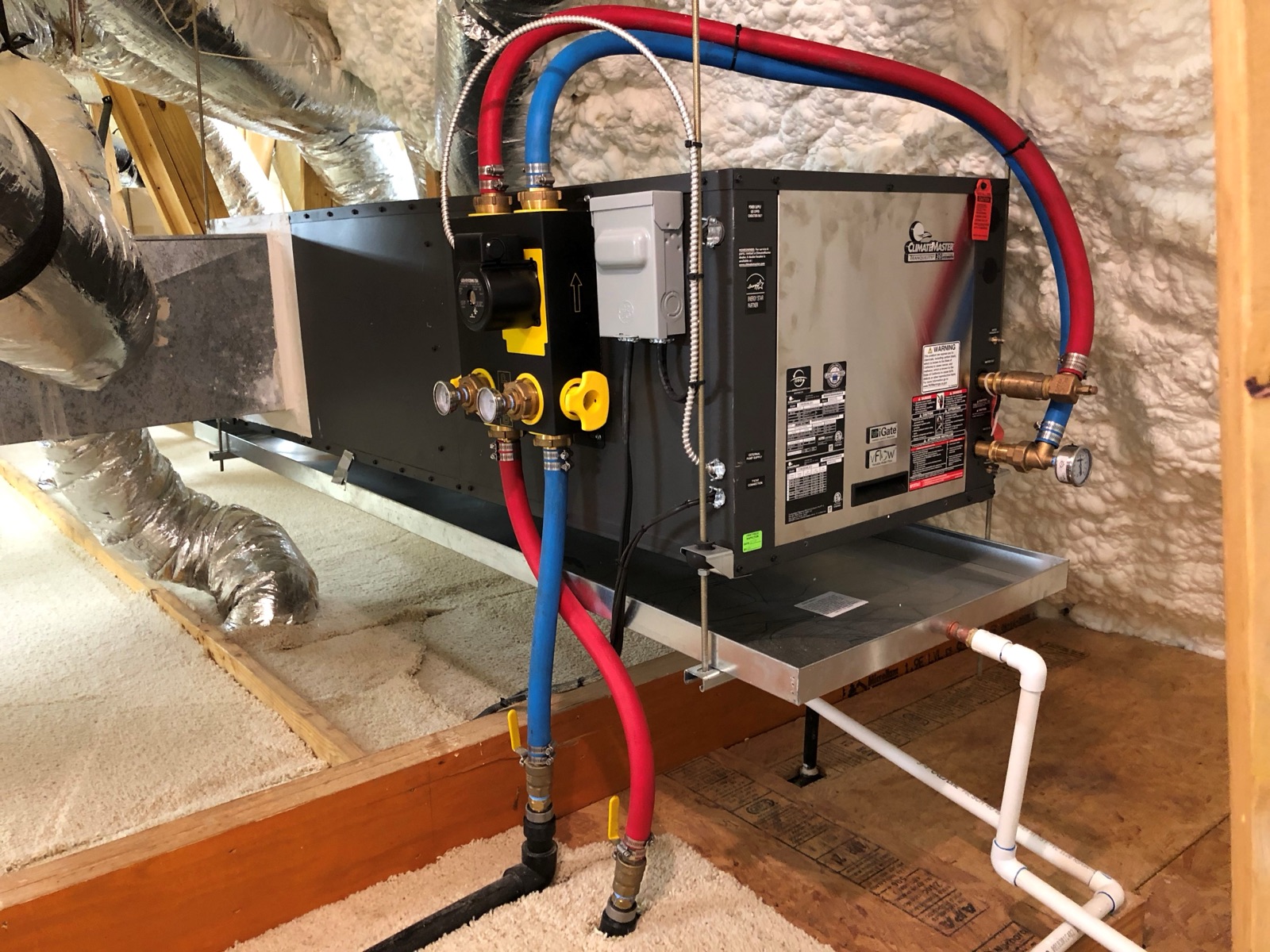
On a 100°F July afternoon, a Dallas roof bakes past 150°F and the attic under it hits 140–160°F. Ever opened a parked car at 3 pm? That's the room sitting on top of your ceiling all summer.
Worse: in most DFW homes, the air conditioner and its ducts live up there. Your just-cooled air travels through an oven before it ever reaches a vent.
Spray foam on the underside of the roof deck brings the attic inside the cooled envelope. The attic drops from 140°F to nearly house temperature — and every duct up there stops fighting for its life.
What this means for your bill
Air leaks plus attic heat are why the AC runs from noon to midnight in July. Seal the envelope and the system runs fewer hours — savings that grow every time ERCOT electric rates tick up.
How much insulating power per inch?
R-value measures resistance to heat flow. Higher is better — and not all materials are close.
Heat always pushes from the hot side toward the cool side. Insulation's whole job is to slow that push — and R-value is simply the score it earns. Higher R per inch = less heat gets through. Here's the same push against one inch of each material:
Takeaway: one inch of closed-cell foam does the work of two inches of fiberglass — and foam air-seals, which fiberglass never does.
Soft, breathable, budget-friendly
- About R-3.7 per inch, roughly 0.5 lb per cubic foot
- Lets water vapor pass through, so moisture can dry out
- Costs less per square foot than closed-cell
- Best sound-dampening of the two
Where we use it in DFW
The go-to for the underside of the roof deck — turning a 140°F attic into a conditioned one — and for interior walls where quiet matters. This is what we recommend for most DFW attic projects.
To hit code R-38 in an attic: about 10–11 inches of open-cell.
Dense, rigid, waterproof
- About R-6.5 per inch, roughly 2 lb per cubic foot
- Acts as a vapor barrier at 2 inches thick
- Adds structural stiffness to walls and roofs
- Highest R-value where space is tight
Where we use it in DFW
Crawl spaces under older homes in East Dallas, Lakewood, and Highland Park; rim joists; metal buildings; and commercial jobs where moisture control is critical.
To hit code R-38: only 6–7 inches of closed-cell.
How an insulation project goes
Free assessment
We inspect the attic, walls, or crawl space, measure everything, and tell you where your home is actually losing energy.
Prep and masking
Floors and belongings get covered, the area gets ventilated, and we tell you exactly when the space is off-limits.
Application
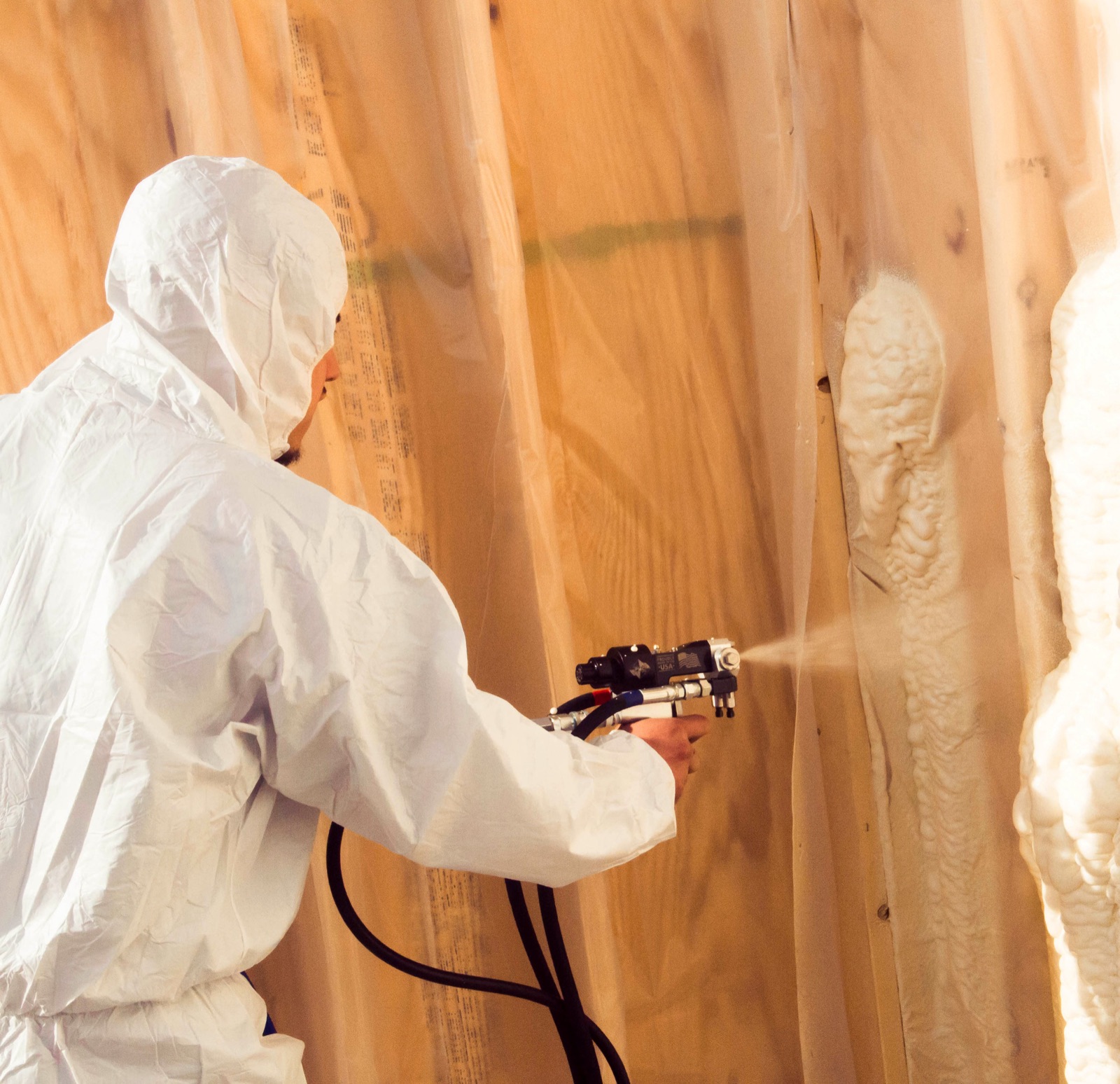
The crew sprays in passes to the specified thickness. Open-cell goes on in one or two passes; closed-cell in several thin lifts that cool between coats.
Trim and cleanup
Excess foam is trimmed, masking comes down, and the work area is left clean.
Thickness inspection
We measure the cured foam against spec and touch up any thin spots or voids before we call it done. Most attics take one day.
Two jobs in one pass
Fiberglass only slows heat. Foam slows heat and stops the air leaks that carry it — which is why it wins in the real world.
Seals as it insulates
Foam expands into every gap and crack, closing the air leaks that account for a huge share of a home's energy loss.
Shrinks your system
A tighter home needs fewer tons of cooling — and fewer geothermal wells. The foam can pay for part of itself before you ever get a bill.
Lasts the life of the house
Foam never settles, sags, or soaks up moisture. Fiberglass loses R-value over the years; foam doesn't.
Quiets the house
Open-cell foam's soft structure soaks up outside noise — traffic, lawn crews, storms — noticeably better than batts.
Myth: "My house is hot — I need a bigger AC."
Fact: oversizing an AC to fight a leaky 140°F attic is like buying a bigger bucket for a leaky boat. Fix the envelope first, and a smaller, cheaper system will keep you more comfortable — that's a load-calculation fact, not a sales line.
Why an HVAC company sprays foam
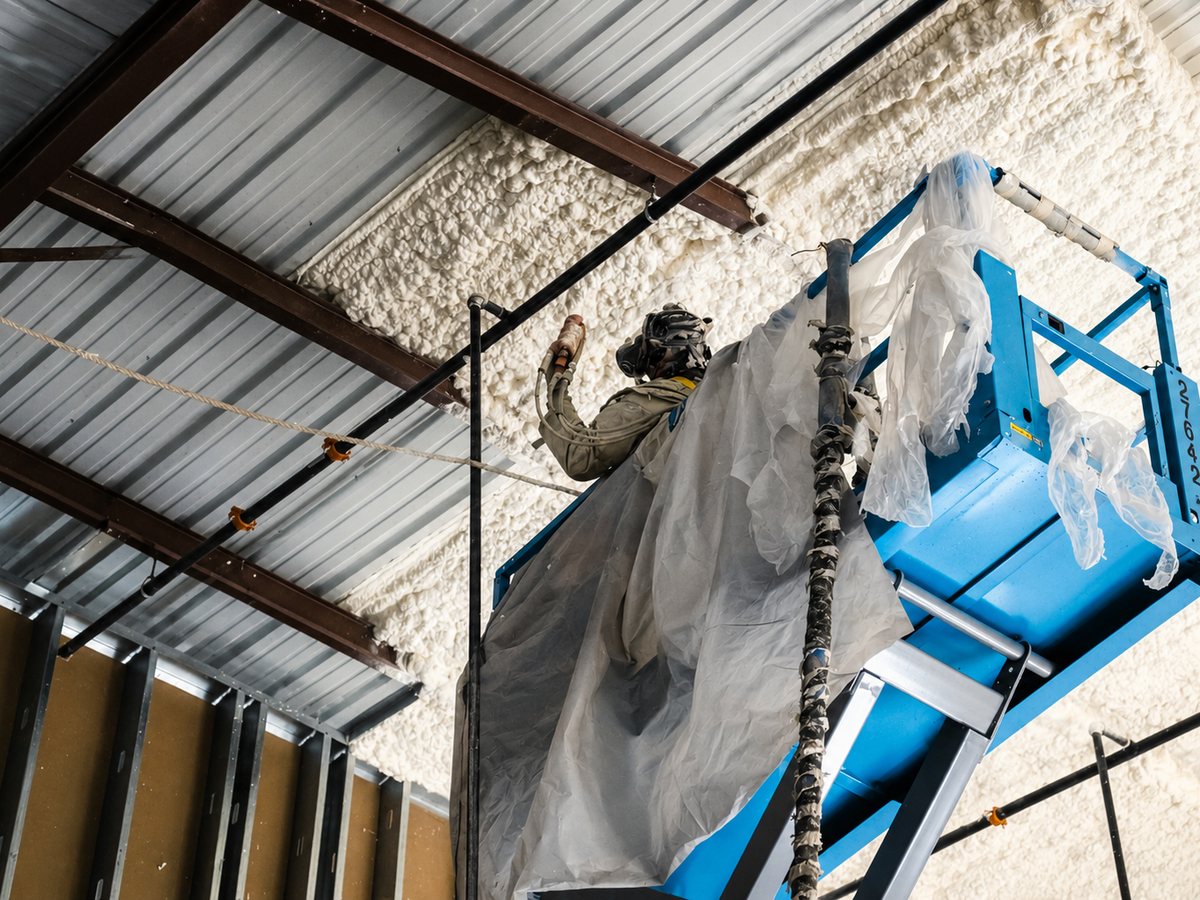
Roy Schar added a foam crew 20+ years ago after watching the same story repeat: brand-new equipment installed in leaky houses, running long hours and disappointing everyone. Fixing the insulation fixed the problem.
Today insulation is checked on every geothermal project we take. Envelope, wells, heat pump, and ducts get designed as one system by one company — that's the whole point of keeping everything in-house.
It scales up, too. At our Home Run Alley project in Lucas, 6–12 inches of foam works alongside a 55-ton geothermal system — a building that runs at a fraction of the energy cost of a conventional one its size.
Commercial capabilitiesSpray foam questions, answered
Yes. Once cured — usually within 24 hours — foam is inert and doesn't off-gas. During spraying, the area is ventilated and occupants stay out; our crew follows all manufacturer safety guidelines.
The life of the building. It doesn't settle, sag, or lose R-value the way fiberglass does over the years.
On a 100°F July day, an unsealed Dallas attic routinely hits 140–160°F. Foam on the roof deck brings it within a few degrees of the rest of the house — a big deal when your ducts live up there.
Sometimes, on attic floors. For roof-deck work the decking must be bare so the foam can bond. We'll tell you what stays and what goes during the free assessment.
Yes. Open-cell foam's porous structure absorbs outside noise well; closed-cell helps too, a bit less. Both make a real difference in exterior walls and roof decks.
It depends on foam type, area, and thickness — open-cell costs less per square foot than closed-cell. Foam costs more upfront than blown-in insulation, but over 10–20 years of energy savings it usually has the lowest total cost. We quote after a free assessment.
Related services
Geothermal Installation
Pair a sealed envelope with a geothermal system and watch the electric bill shrink.
Learn moreMaintenance & Repair
Keep the system behind the sealed envelope tuned — seasonal checkups, 24-hour repair.
Learn moreAir Quality
Finish the healthy-house trifecta — filtered, purified air inside the sealed envelope.
Learn more