
Geothermal installation for Dallas–Fort Worth homes
Twenty feet under your yard, the ground sits at 67–69°F all year — like a cave, no matter what August is doing. We connect your home to it: our crews drill the wells, set the heat pump, and build the ducts. One company, no subcontractors.
Straight answers from the people who'll do the work
Owner Roy Schar has been installing geothermal since 1997. Hear him answer real homeowner questions about system lifespan, comfort, and long-term cost — then see the full mechanics on our How Geothermal Works page.
20–30 year lifespan
Installed and maintained right, a geothermal system runs for decades — Roy has serviced units still going strong at 35 years.
Lower replacement cost
Your underground loop is reused for the life of the home, so a future unit swap costs far less than starting from scratch.
40–80% lower bills
With the residential tax credit gone, the payback comes from the bills themselves — DFW's long cooling season and rising electric rates do the math.
Which loop fits your lot?
Same physics, two shapes. It comes down to how much yard you have.
Vertical wells — the DFW standard
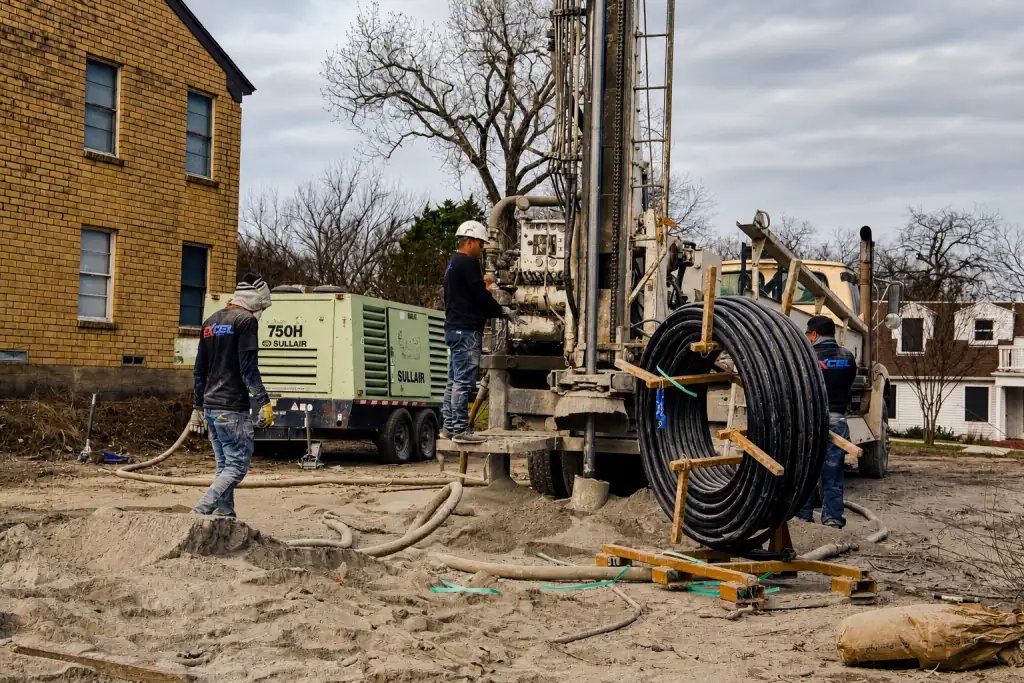
We drill narrow wells 200–400 feet deep, drop in a U-shaped pipe, and seal each well with heat-conducting grout. A typical home needs a few wells in a corner of the yard.
- Fits tight suburban lots in Frisco, Plano, McKinney, and Southlake
- Reaches far below the shifting surface clay into stable rock
- Drilled by our own rigs — no drilling subcontractor, no waiting
- Yard recovers within one growing season
Drilling takes about 2–3 days for a typical 4–5 ton home system.
Horizontal trenches — for bigger land
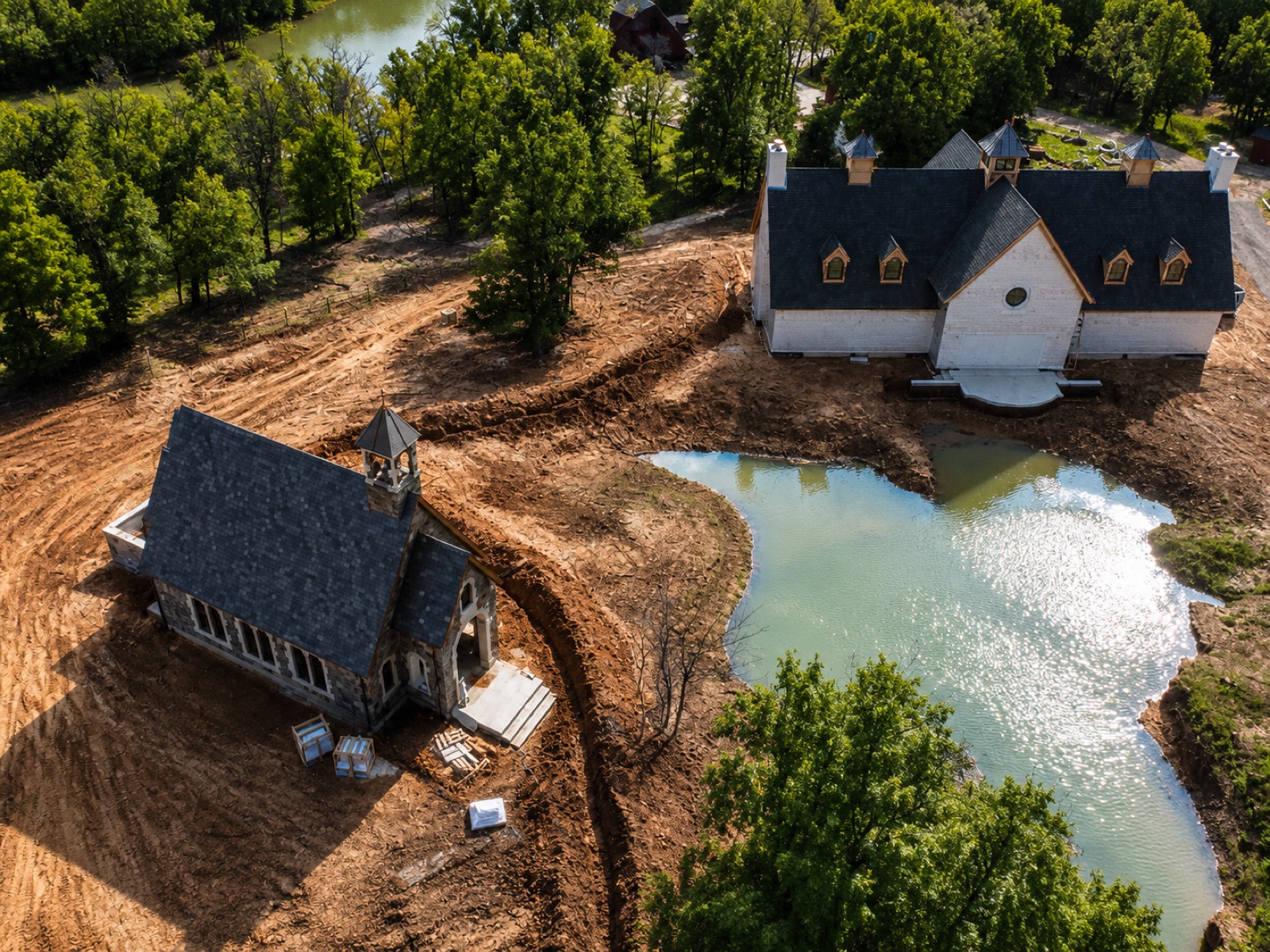
On acreage, we can lay loops in trenches four to six feet deep instead of drilling. It trades drilling cost for digging space.
- Cost-effective on rural lots in Celina, Prosper, and east of Rockwall
- Needs much more open ground than vertical wells
- More surface disruption, so best done before landscaping
- Same 50+ year loop life once buried
Most DFW homes end up with vertical wells — we'll tell you honestly which pencils out for your lot.
Why does geothermal work so well in Dallas?
Three local facts do most of the work: our clay, our summers, and our power grid.
Dallas clay, explained
Blackland Prairie clay holds moisture, and damp soil moves heat well — good news for loops. The catch: surface clay swells and shrinks with the seasons (ask any foundation repair company).
That's why we drill deep. Your loops sit hundreds of feet down in stable chalk and limestone, far below the layer that moves.
The 100-degree duty cycle
Dallas averages roughly 20 triple-digit days a year — and 2023 brought more than 40. Every one of those days, a conventional AC strains to dump heat into air hotter than your body.
Your geothermal system dumps that same heat into 67°F ground. Same job, a fraction of the effort — which is why summer is when the savings show up biggest.
ERCOT rates keep climbing
North Texas electricity prices have risen sharply since 2021, and summer peak pricing punishes heavy AC use hardest.
A system that's 400–500% efficient (COP of 4–5) is insurance against every future rate hike: geothermal pays for itself through the electricity it never buys.
What this means for your bill
A DFW home spending $300 a month on heating and cooling typically keeps $1,400–$2,800 of that per year after switching. And when the next Winter Storm Uri hits, your heat source is 400 feet underground where the weather can't touch it.
What actually happens, week by week
The calendar says 4–6 weeks. Your driveway only sees crews for about 8–11 of those days.
Takeaway: about 10 work days spread over 4–6 weeks — and your old AC keeps running until switch day.
Switch day is one afternoon
People picture weeks without air conditioning. The reality: your existing system runs right up until the new one is connected. The actual changeover — old unit out, geothermal unit breathing through your ducts — takes a few hours.
New construction is even smoother. We drill before the foundation pour and work alongside the framers, so geothermal adds almost nothing to the build schedule.
We've retrofitted 15–25 year old systems in Highland Park, Lakewood, and Preston Hollow — the older the system you're replacing, the bigger the first-month drop in your bill.
Six steps, one company
Every step below is done by Excel employees — never subcontractors. That's rare in this industry, and it's why one phone number covers your whole system.
Site visit & load calculation
We measure your home, check the soil, and run a Manual J calculation — the math that tells us exactly what size system you need. No guessing, no oversizing.
Design & fixed quote
You get a system design, equipment options, and a firm price. We'll show you the payback math honestly — including that the residential tax credit is gone.
Permits & scheduling
We pull the mechanical, electrical, and well permits for your city. You do nothing.
Drilling & loop installation
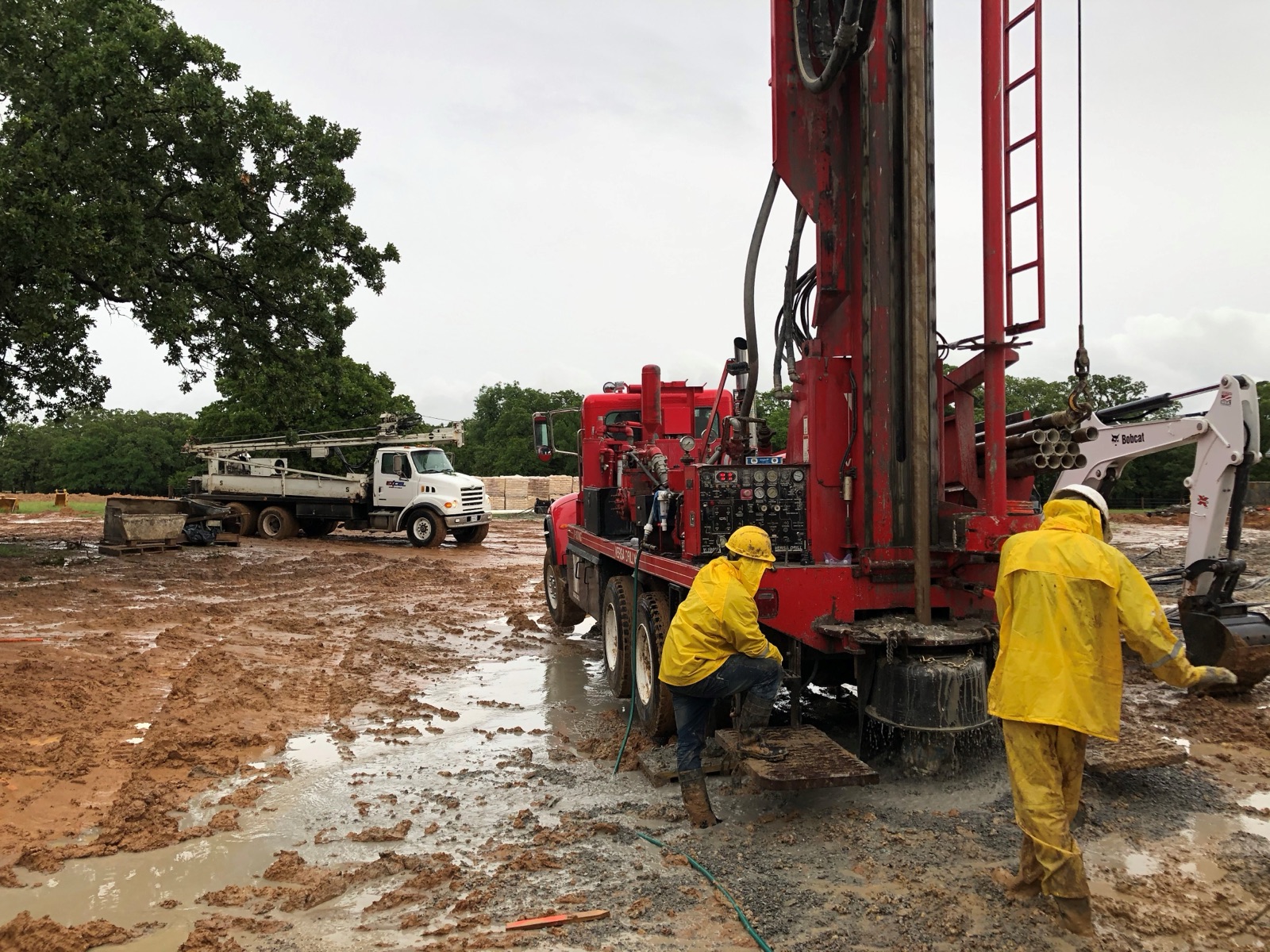
Our rigs drill the wells, we insert and pressure-test the pipe, then seal each well with heat-conducting grout.
Heat pump, ducts & insulation
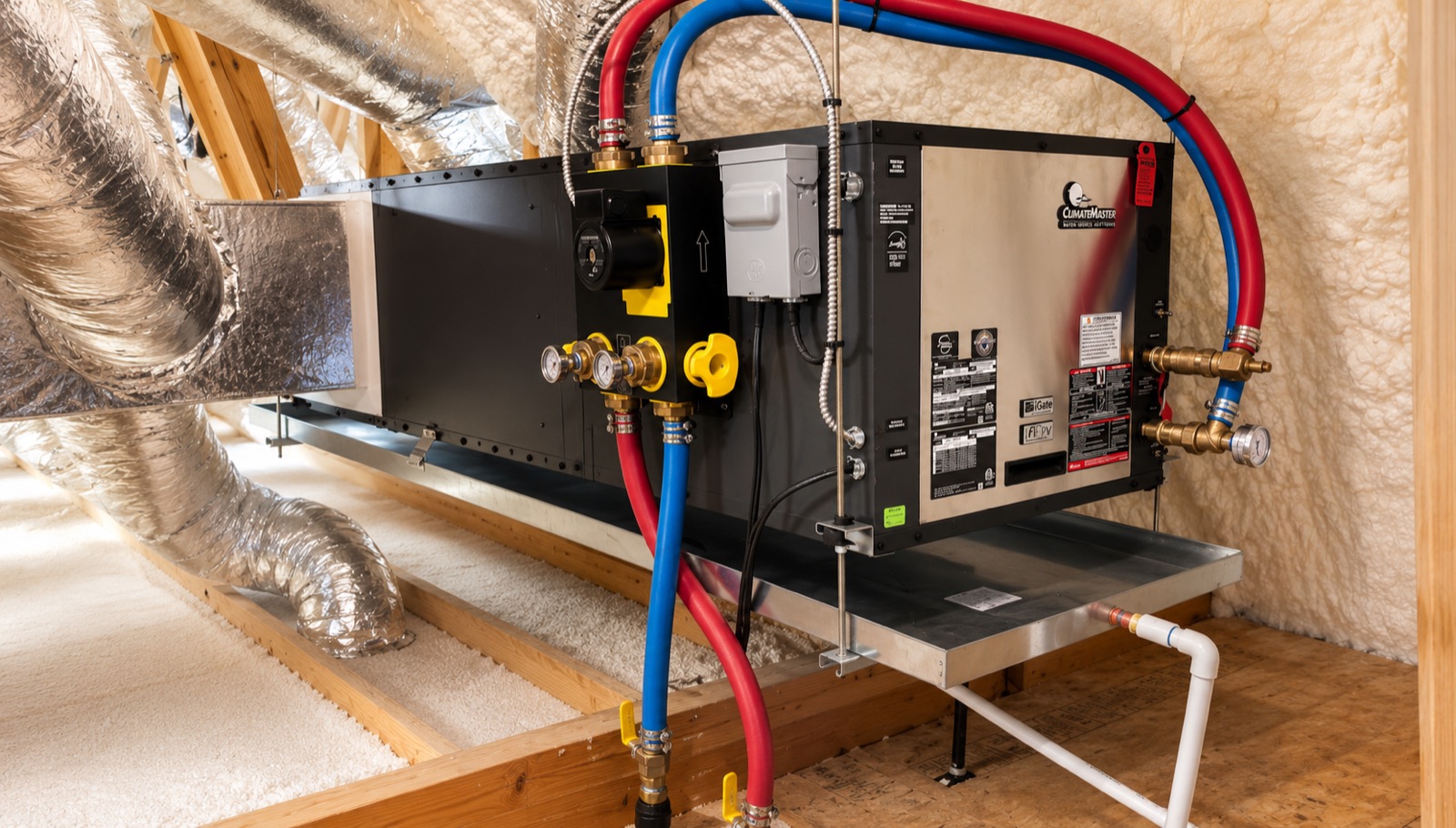
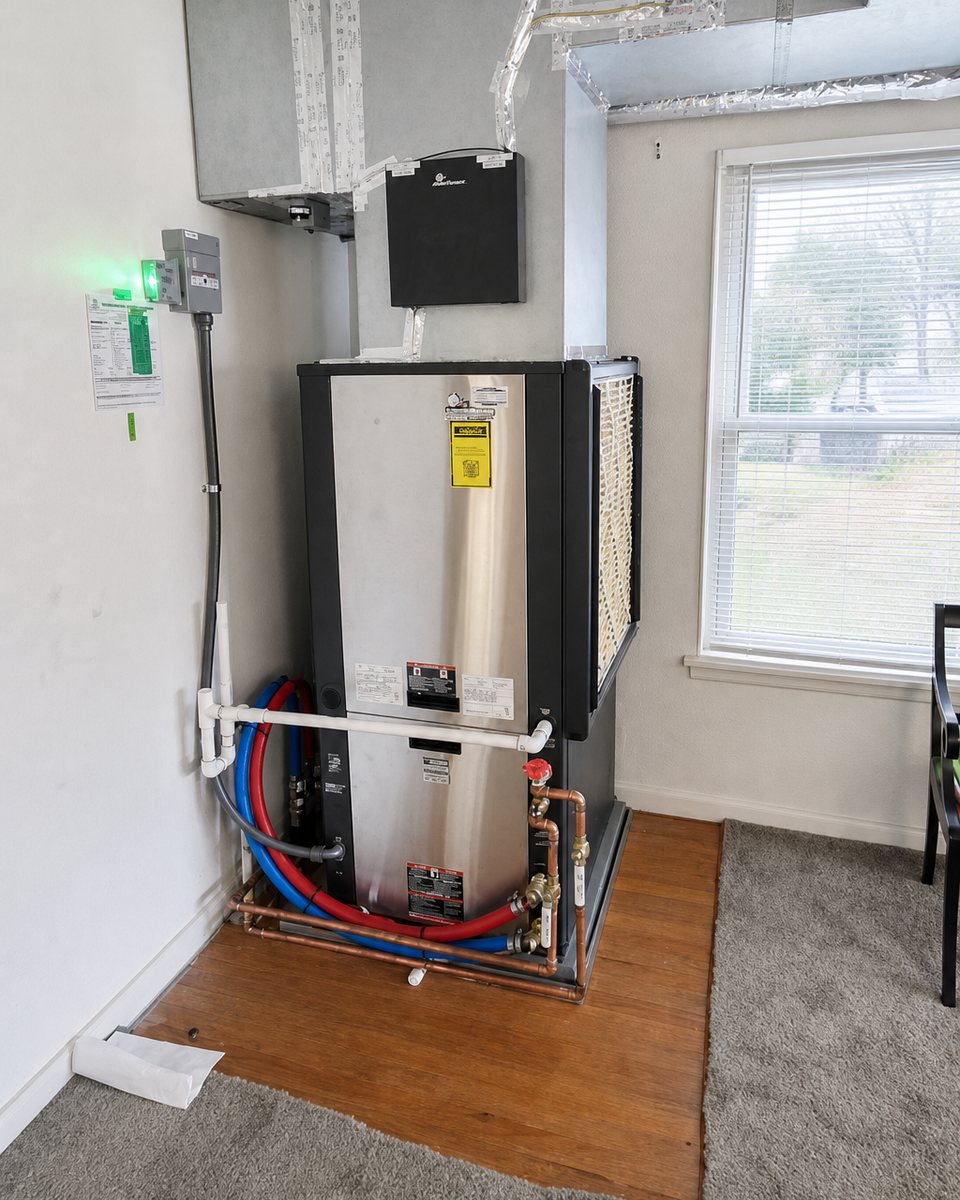
We set the indoor unit, connect the loops, and install or seal ductwork we design ourselves. If your attic needs it, our spray foam crew can insulate at the same time — better insulation means a smaller, cheaper system.
Commissioning & walkthrough
We verify airflow at every register, confirm refrigerant charge and loop pressure, pass city inspection, and walk you through your thermostat before we call it done.
What it costs, without the fine print
The honest tax credit answer
Plenty of websites still promise a 30% federal credit on home geothermal. That credit ended in 2025. We won't quote you money that doesn't exist.
Here's the good news: the math in DFW still works without it. Long cooling season, rising ERCOT rates, and a machine that's 400–500% efficient add up to real payback — run your own numbers on our savings calculator or see the full cost breakdown.
The equipment we trust
We're factory-authorized dealers for WaterFurnace and ClimateMaster — the two leading geothermal heat pump makers in the country. Both offer variable-speed units. We service everything we install.
Three things people get wrong about geothermal
Myth: "It can't handle Texas heat."
Fact: Hot climates are geothermal's best case. Your system rejects heat into 67°F ground while your neighbor's condenser fights 105°F air. Summer is when the gap is widest.
Myth: "It destroys your whole yard."
Fact: Vertical wells need a work area for 2–3 days, then it's backfilled and graded. One growing season later you can't tell we were there.
Myth: "It's like a geothermal power plant."
Fact: No volcanoes involved. Home geothermal just borrows the steady 67–69°F under your yard — the same reason a cave feels cool in July and warm in January.
Mini-glossary: words you'll hear from us
- Bore / well
- A narrow hole, 200–400 ft deep, that holds one loop of pipe.
- Loop field
- All your wells together — the "battery" your system draws on.
- Grout
- The seal we pump into each well so pipe and earth touch thermally.
- Manual J
- The industry load calculation that sizes your system correctly.
- COP
- Efficiency score. A COP of 4–5 means 4–5 units of heat moved per unit of electricity — 400–500% efficient.
Installation questions, answered straight
More questions? Our full FAQ covers cost, performance, and maintenance in depth.
Most homes take 4–6 weeks from first visit to final walkthrough — but only about 8–11 of those days involve crews at your house. Drilling itself is usually 2–3 days, and your old AC runs until switch day.
Typically $25,000–$65,000 installed, depending on home size, well count, and equipment. Most owners then cut heating and cooling costs 50–80%, so the system pays for itself through electricity savings over its life.
No. Our rigs fit most suburban backyards, disruption lasts 2–3 days, and we backfill and grade when we're done. Most yards fully recover within one growing season — and the wells below are permanent, invisible infrastructure.
Often, yes. We test your ducts during the site visit. If they're sized right and sealed, we connect straight to them. If not, we design and install replacements ourselves — no third party involved.
No — the 30% residential credit ended in 2025, no matter what other websites still say. (Commercial buildings still qualify for federal incentives through 2035.) We quote your payback using real numbers only.
Yes — that's when it works best relative to conventional AC. Your heat goes into 67–69°F ground instead of 105°F air, so the system barely notices a heat wave. It also kept homes warm through Winter Storm Uri when air-source systems failed.
The rest of the in-house team
Well Drilling
Our own rigs, our own crews — the deep end of every install we do.
Explore well drillingMaintenance & Repair
Once it's running, our NATE-certified techs keep it that way — tune-ups to 24-hour emergency.
Explore maintenance & repairSpray Foam Insulation
A tighter envelope means a smaller, cheaper geothermal system.
Explore spray foam